Sign in. It’s quick, free and it’s up to you.
An account is an optional way to support the work we do. Find out more.
Sign in. It’s quick, free and it’s up to you.
An account is an optional way to support the work we do. Find out more.
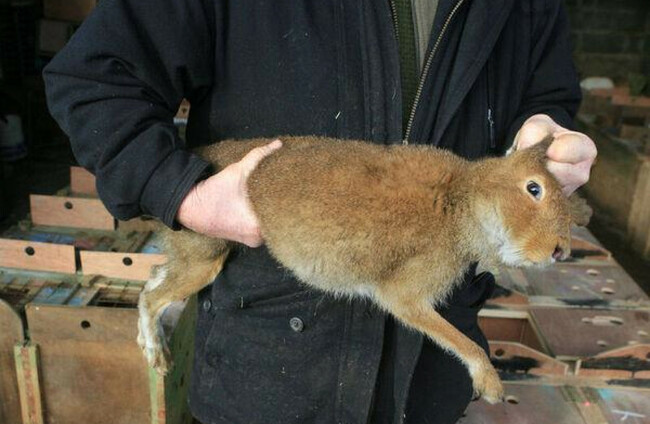
The FOI Files is a series from our team at The Journal Investigates. Each week, one of our investigative journalists brings you inside the fight for information that we’re all entitled to. They’ll share their documents, their stories – and tips on how to take the journey for yourself.
This week’s file is from investigative journalist Patricia Devlin.
See here for The Journal Investigates’ most recent investigations.
THE DEPARTMENT OF AGRICULTURE, Food and the Marine (DAFM) says hare coursing is kept under “constant review” by a monitoring committee, with annual meetings held to ensure the sport is run in a “controlled manner”.
However, records I obtained under Access to Information on the Environment (AIE) revealed that DAFM veterinary inspectors attended just four of around 200 coursing meetings between 2019 and 2023 – and none at all in 2021 or 2023.
During those handful of inspections alone, 16 hares were recorded as being “hit” by dogs and one injured greyhound was euthanised.
The documents raised an obvious question – how could DAFM claim the sport was under constant review when its own inspectors were absent from around 98% of events?
The findings formed part of an investigation I worked on in 2024 examining animal welfare in the coursing world.
It surrounded a controversial issue, the capture of a protected species for use in what animal rights activists describe as as an “archaic and cruel” sport.
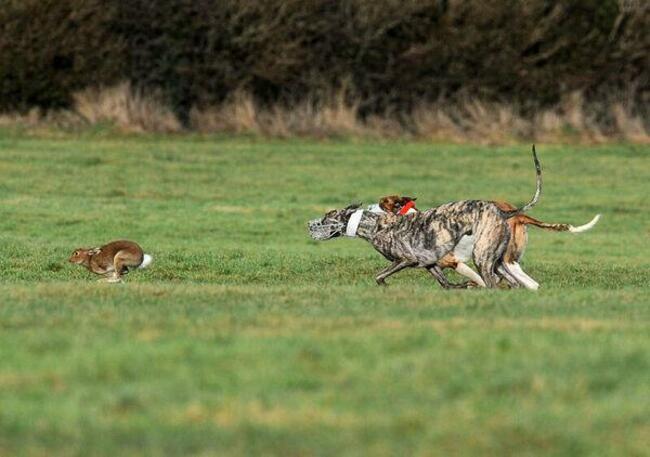
Hare coursing involves two muzzled greyhounds pursuing a live hare on a track. The first dog to force the hare to change direction is deemed the winner.
The Irish hare is a protected under the Wildlife Act, but the law allows hares to be captured from the wild and used in legal coursing events.
Licences issued by the National Parks and Wildlife Service (NPWS) allow clubs to net, tag and later release the hares.
However, responsibility for animal welfare during coursing rests solely with DAFM. I wanted to know how that responsibility worked in practice.
I submitted an AIE request to the department seeking the number of coursing meetings attended by its veterinary inspectors between 2019 and 2023. I also asked for copies of the reports completed after each inspection.
The request was deliberately narrow – it named the activity, the type of record and the exact period to be searched.
The response? Records showed that inspectors had attended only four out of around 200 events in a five year period.
DAFM veterinary inspectors use a standard form when attending coursing meetings.
They record how long they were present, the number of courses they observed and whether any hares were hit or killed during that time.
The form also asks about the health and training of the hares, their ability to find the escape, the muzzling of dogs and how any injuries were treated.
The first report related to a Borris-in-Ossory Coursing Club meeting in December 2019. The inspector attended for two hours and observed 40 courses.
In the section asking whether any hares had been hit by muzzled dogs, the inspector recorded four.
The report stated that the animals “appeared not trained well” and had difficulty finding the escape. It also recorded that a greyhound broke its leg and was euthanised.
The second inspection took place at a Galway and Oranmore Coursing Club meeting. The inspector was present for one hour and 15 minutes and watched 20 courses. The report recorded that two hares were hit and inspected by the club’s vet afterwards.
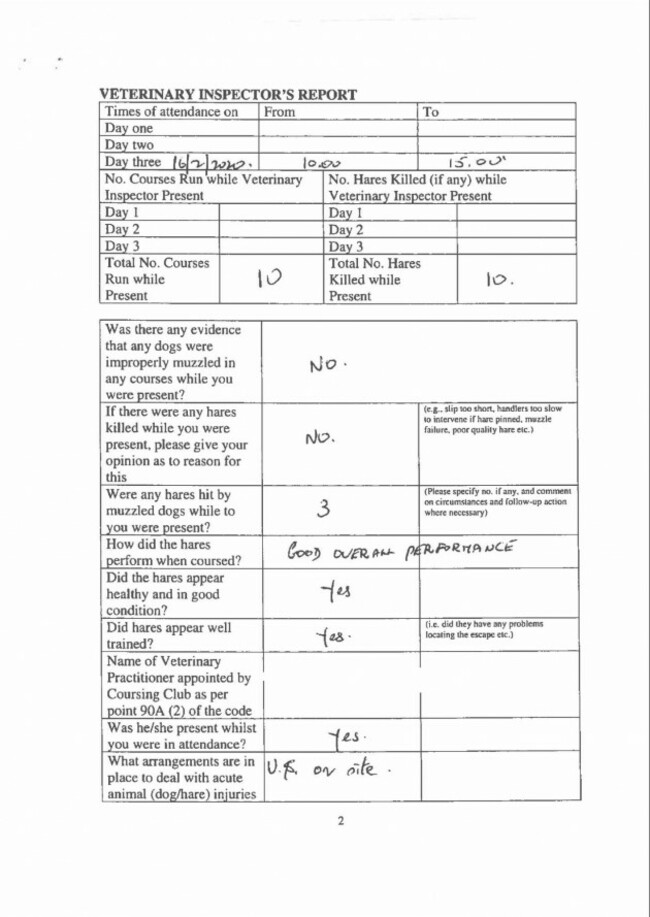
Another report covered the final day of the Irish Coursing Club’s National Meeting at Powerstown Park in Clonmel in February 2020. The inspector recorded that three hares were hit by muzzled dogs.
The fourth report related to a three day Co Limerick Coursing Club meeting in February 2022. The inspector attended on the first day and observed 64 courses. The report recorded that seven hares were hit.
It also stated that some hares slowed midway up the course and had to be “moved on” by hare drivers – trackside handlers responsible for encouraging the animals towards the escape and intervening if a hare slows or is pinned.
The inspector suggested they should have stepped in earlier.
Taken together, the four reports recorded a total of 16 hares that came into contact with dogs across the four coursing meetings.
The forms only recorded what happened while DAFM inspectors were present. They could not tell us what happened at the roughly 196 events the department did not attend.
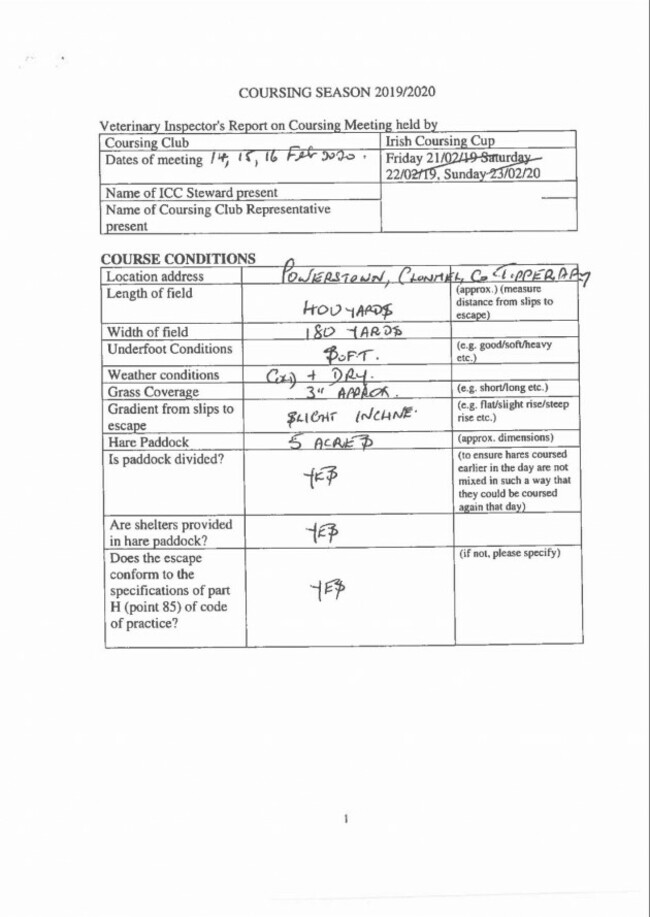
One entry in the Clonmel inspection report immediately stood out. In the box asking for the total number of hares killed while the veterinary inspector was present, the handwritten form recorded “10”.
The next section asked the inspector to explain why any fatalities had occurred. In response, the inspector wrote “No”. I queried the apparent contradiction with DAFM.
The department said the figure was a clerical error and that no hares had been killed during the event. The Irish Coursing Club told us the mistake had been noted and clarified at a meeting held in October 2020.
However, the inspection report released several years later had not been corrected to show that the figure was inaccurate.
Even under AIE or FOI requests, you can still receive misleading or inaccurate documents or information. When something does not make sense, it’s important to seek clarification from the public body you are dealing with.
I also asked DAFM why its inspectors had attended so few events. The department said inspections were carried out “according to risk assessment and policy priorities” and that in 2023 – one of two years no inspections took place – calf welfare inspections had been prioritised.
DAFM also said it did not routinely attend coursing meetings because the activity was licensed by the NPWS and a private veterinary practitioner had to be present.
However, the NPWS told us it did not license coursing meetings. It said its responsibility related to the conservation of the hare, including issuing licences for the netting, tagging and release of the animals.
The NPWS said the control of live hare coursing was the responsibility of the Agriculture Minister.
It also said all animal welfare measures rested with DAFM under the Animal Health and Welfare Act 2013.
By asking both public bodies the same question, we received two very different descriptions of who was responsible for overseeing coursing.
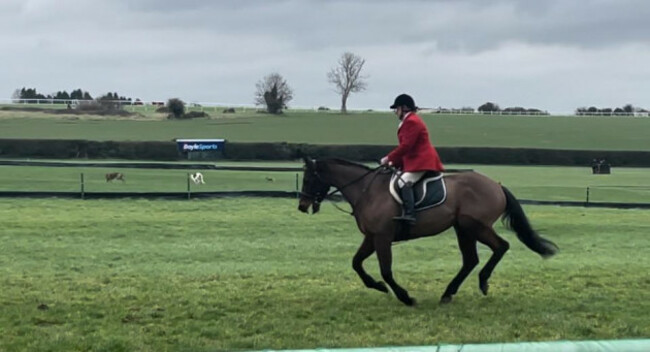
The annual figures gave us the main finding for our investigation – that government inspectors attended just four coursing meetings in five years.
But the underlying reports showed what happened on the rare occasions they were there.
They revealed that 16 hares were hit by dogs, a greyhound was euthanised and inspectors identified problems with the training of hares, escape routes and the speed at which handlers intervened.
They also exposed the unexplained entry recording 10 hare deaths. Had I asked only for the number of inspections, none of that detail would have been disclosed.
When requesting figures from a public body, it is always worth considering what documents or databases sit behind the total. Ask for both where possible.
The figures can reveal the scale of the issue but the underlying records can reveal what actually happened.
If you have a burning FOI question about how to get certain records or why your request was refused, you can get in touch with our team at investigates@thejournal.ie. The Journal Investigates team will be back with another instalment of The FOI Files next Tuesday.

To embed this post, copy the code below on your site










have your say